
coral | The Monopoly of Coral Reefs: A Deep Dive into Their Endangered World
coral’s Explore the unique monopoly of coral reefs in marine ecosystems, focusing on their vital role, threats, and conservation efforts.
The Monopoly of Coral Reefs: A Deep Dive into Their Endangered World
Introduction to Coral Reefs
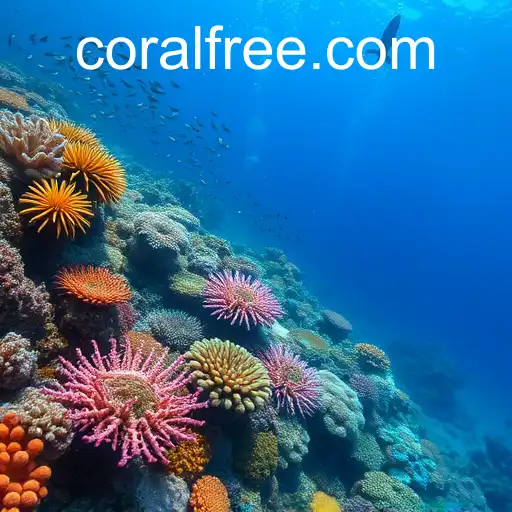
Coral reefs have long been touted as the "rainforests of the sea," a testament to their immense biological wealth and importance. These vibrant ecosystems are home to a staggering 25% of all marine species, yet they occupy less than 1% of the ocean floor. This disparity between their size and ecological significance highlights the monopolistic role they play in marine environments.
The Role of Coral Reefs in Marine Ecosystems
Coral reefs have established themselves as a dominant player in the marine ecosystem through their ability to sustain diverse marine life. They provide shelter, food, and breeding grounds for numerous species, ranging from small fish to larger marine mammals. The architectural complexity of the reefs themselves, mainly formed by calcium carbonate skeletons secreted by living coral polyps, offers a multitude of niches for different organisms to thrive.
The health of coral reefs has a trickle-down effect on the global fishing industry. By serving as a habitat and nursery for many fish species, these ecosystems directly support the livelihoods of millions of people worldwide. The depletion of coral reefs could drastically impact marine biodiversity, leading to potential collapses in fish populations and, by extension, affecting human communities that rely on these resources. Thus, coral reefs function as a cornerstone of both marine and human economic systems, a role that underscores their monopolistic position within the ocean.
Threats to Coral Reefs
Despite their importance, coral reefs face numerous threats that jeopardize their existence. A key threat is climate change, which leads to ocean warming and acidification. These changes have a direct impact on coral health, often resulting in bleaching events wherein the symbiotic algae living in the coral tissues are expelled. Without these algae, corals lose their color and, more critically, their major source of food, leaving them prone to starvation and eventual death.
Pollution, another significant threat, originates from both land-based and oceanic sources. Sedimentation, agricultural runoff, and oil spills introduce harmful substances to the marine environment, smothering corals and disrupting their growth. Additionally, overfishing and destructive fishing practices, such as blast fishing and cyanide fishing, further degrade coral ecosystems and their ability to recover.
The monopolistic vulnerability of coral reefs lies in their specialized ecological niche and dependency on stable ocean conditions. Disruptions to their environment, therefore, have a disproportionately large negative impact. Human activities, therefore, pose a multifaceted threat to their survival, demanding urgent solutions.
Conservation Efforts and Sustainable Practices
In response to the array of threats facing coral reefs, numerous conservation efforts have been initiated globally. These initiatives aim to restore and protect coral ecosystems through a variety of methods.
One effective approach is the establishment of marine protected areas (MPAs). These designated zones restrict human activity to allow ecosystems to recover and thrive. By controlling fishing and prohibiting extractive activities, MPAs serve as sanctuaries for corals and their associated marine life.
Artificial reefs have been another innovative conservation method. By mimicking natural reef environments, these structures provide new habitats for marine organisms, thereby relieving pressure on existing coral systems. The deployment of these reefs is often accompanied by coral gardening, where fragments of healthy corals are transplanted to encourage new growth.
Community-led conservation efforts are gaining traction as well. Equipping local communities with the resources and knowledge to manage their coastal resources effectively has proven beneficial. Sustainable tourism practices, like ecotourism, not only raise awareness about the importance of coral reefs but also generate revenue that can be channeled back into conservation efforts.
The Role of Global Policy
International policies play a pivotal role in coral conservation by setting regulatory standards and facilitating collaborative efforts across nations. Agreements like the Global Coral Reef Monitoring Network and the Coral Triangle Initiative provide frameworks for countries to collectively tackle threats to coral ecosystems.
Global policy initiatives emphasize the interconnectedness of ecosystems and economies, reinforcing the idea that the monopolistic role of coral reefs extends beyond marine biology into global economic stability. These policies encourage the sharing of research, resources, and successful conservation strategies, fostering a unified approach to addressing the decline of coral reefs.
Conclusion
As we delve deeper into the myriad challenges faced by coral reefs, acknowledging their monopolistic role is crucial in fueling concerted conservation efforts. The recognition of corals as a cornerstone of ocean life creates a framework for understanding the urgency of protecting them. With global cooperation and sustainable practices, there is hope for the future of these essential ecosystems and the innumerable species they support.
